Surface Treatment Components
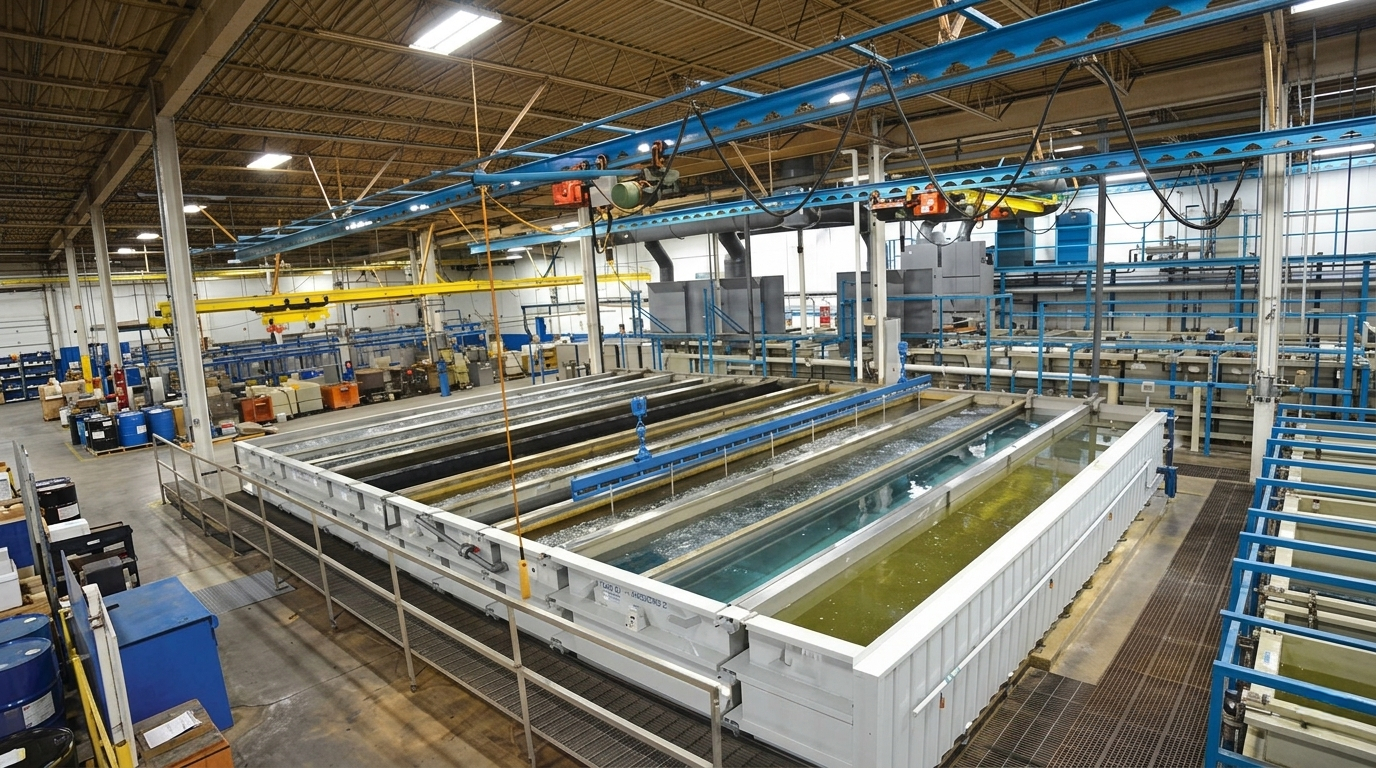
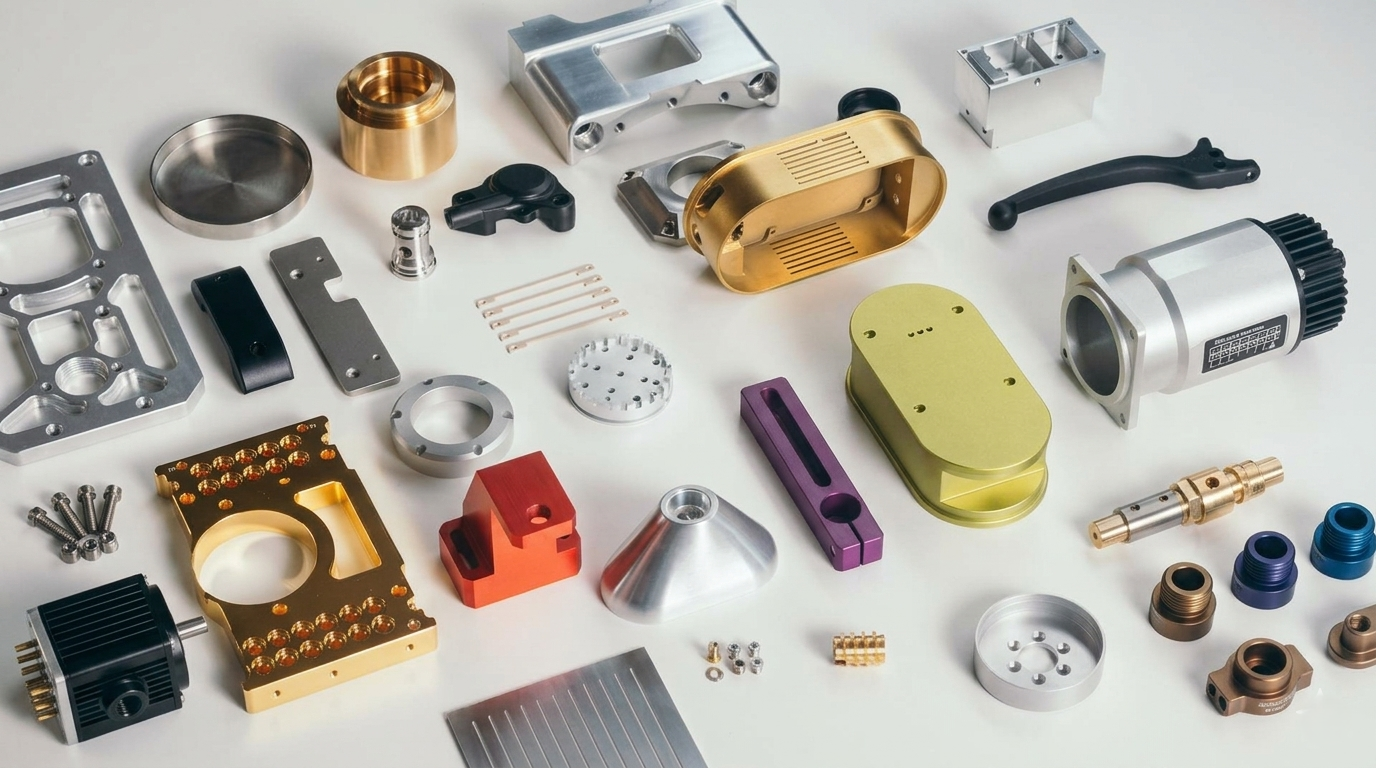
Surface treatment is a critical post-manufacturing process used to enhance the appearance, corrosion resistance, wear resistance, and durability of engineering components. It includes a wide range of processes such as plating (zinc, nickel, chrome), anodizing (for aluminium), powder coating, painting, phosphating, black oxide coating, passivation, and polishing.
The process begins with surface cleaning and preparation through degreasing, pickling, or blasting to remove impurities and ensure proper coating adhesion. After preparation, the selected treatment is applied based on functional and environmental requirements of the component.
These processes are widely used across castings, forgings, and machined components to improve performance in harsh operating conditions. Electroplating provides corrosion resistance and improved surface hardness, while anodizing enhances aluminium surface durability and oxidation resistance. Powder coating and painting offer aesthetic finish and environmental protection, whereas polishing and passivation improve surface smoothness and chemical stability.
| Component Size | Small to Large Industrial Components |
| Surface Finish | Matte / Semi-gloss / High Gloss |
| Compatibility | Casting, Forging, Machining, Fabrication |