Industrial Fabrication Components
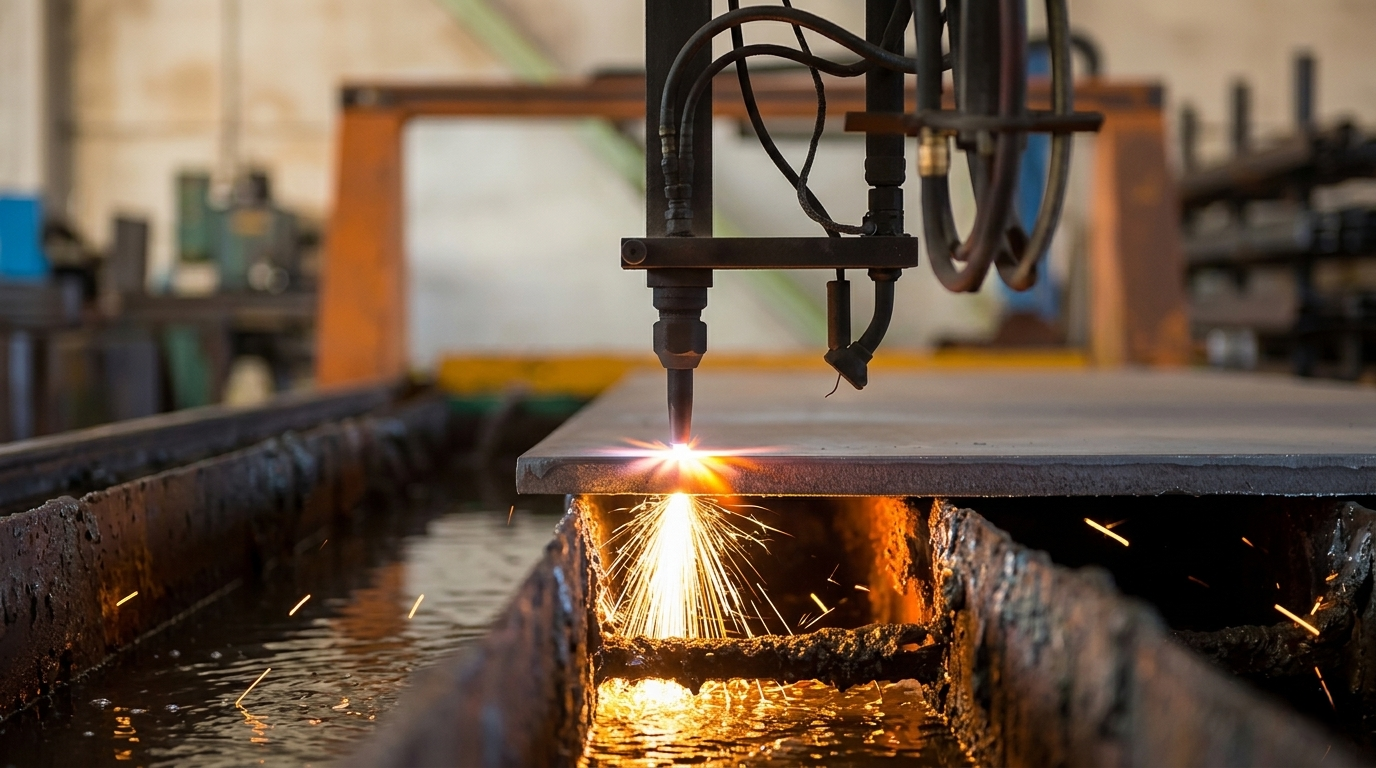
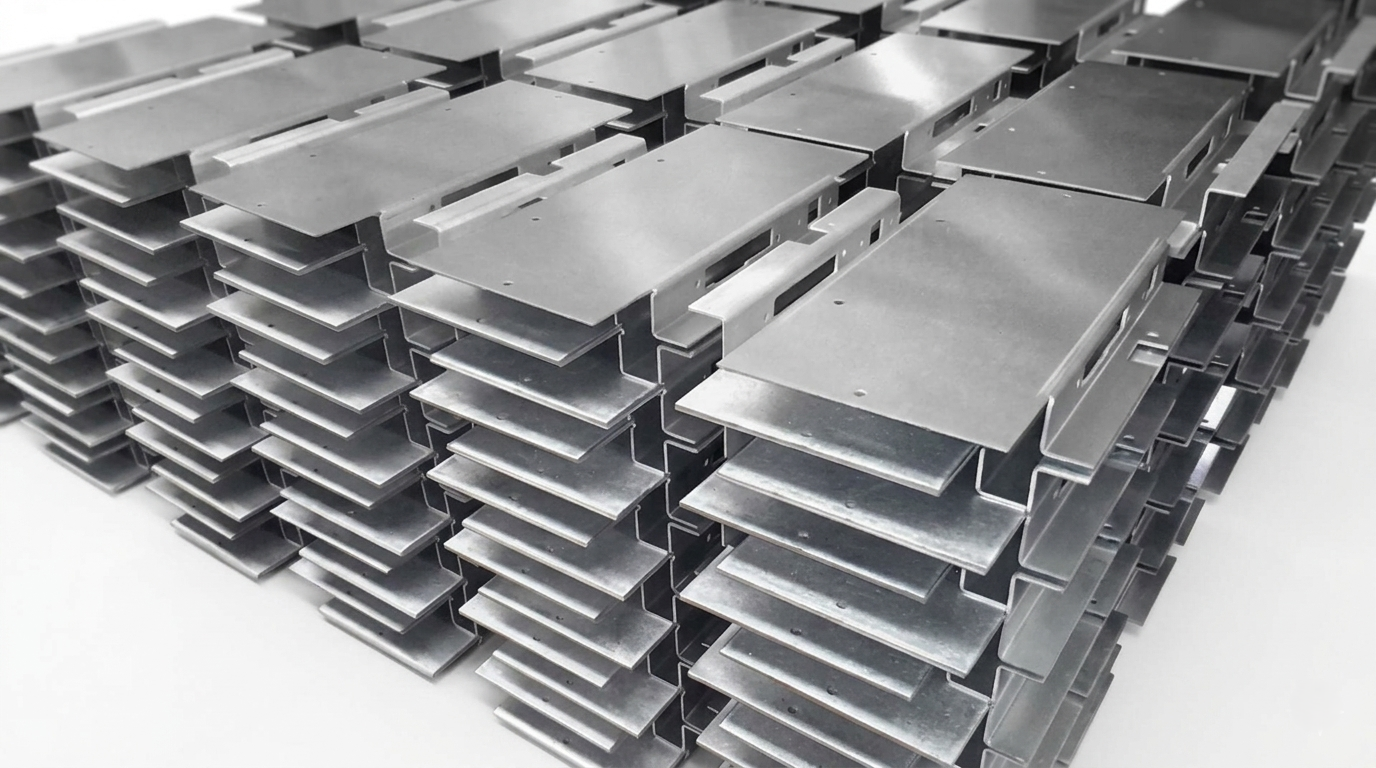
Industrial fabrication involves custom manufacturing of structures, frames, tanks, equipment assemblies, and engineered fabricated components using cutting, forming, welding, machining, and assembly processes.
The process begins with material selection and cutting to required sizes, followed by forming and shaping operations. Welding processes including MIG, TIG, ARC, and spot welding join components into final assemblies according to drawings and functional requirements.
Fabricated parts are finished through grinding, inspection, surface treatment, and painting or coating as required. The workflow supports small assemblies through heavy industrial structures where dimensional control, weld quality, and durability are critical.
| Production Capacity | Prototype, batch, and heavy mass production |
| Welding Capacity | MIG, TIG, ARC, and spot welding |
| Surface roughness | as per the requirements |