Investment Cast Components
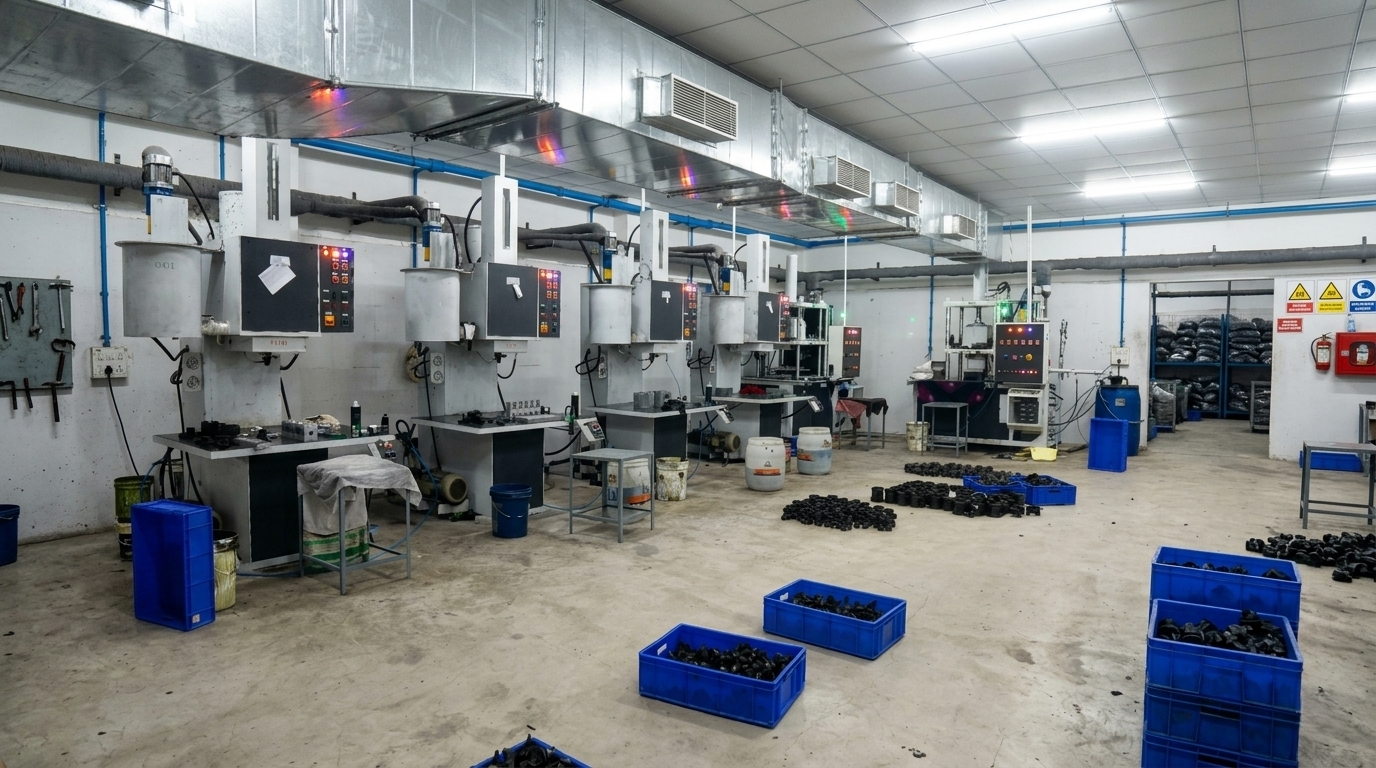
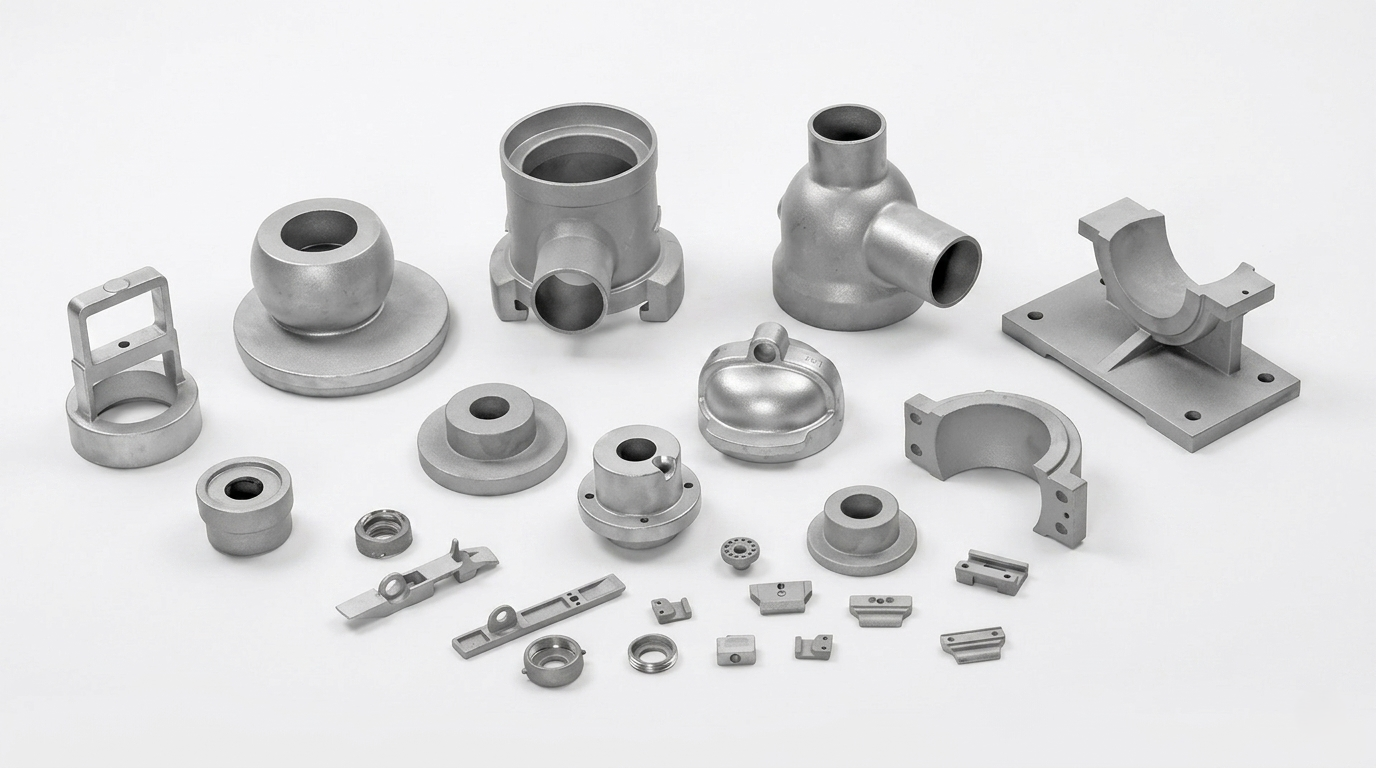
Investment casting, also known as lost wax casting, is a precision metal casting process used to produce highly complex and accurate components with excellent surface finish. The process begins with the creation of a wax pattern, which is an exact replica of the final component. Multiple wax patterns may be assembled into a tree structure depending on production requirements. This wax assembly is then coated with ceramic slurry and stucco material repeatedly to build a strong ceramic shell around it.
Once the ceramic shell is dried and hardened, the wax is removed by heating the mold in an autoclave or furnace, leaving behind a hollow cavity in the shape of the required component. This step is known as "dewaxing" or "lost wax process." After dewaxing, the ceramic shell is further fired at high temperature to improve strength and thermal resistance, making it ready for molten metal pouring.
Molten metal is then poured into the preheated ceramic shell mold under controlled conditions. After solidification, the ceramic shell is broken away to retrieve the cast components. The cast parts are then cut from the tree, followed by finishing operations such as grinding, machining, heat treatment, and surface finishing to achieve final dimensional accuracy and required mechanical properties.
Investment casting is widely used for producing intricate geometries, thin-wall sections, and high-precision components where machining is difficult or costly. It is suitable for both small and medium batch production and offers excellent design flexibility for complex engineering applications.
| Component Weight | few gms. to 200 kgs. Single pcs |
| Dimensionally | up to 1000 mm length |
| Surface Roughness | 125 to 250 RMS |