Shell Mold Components
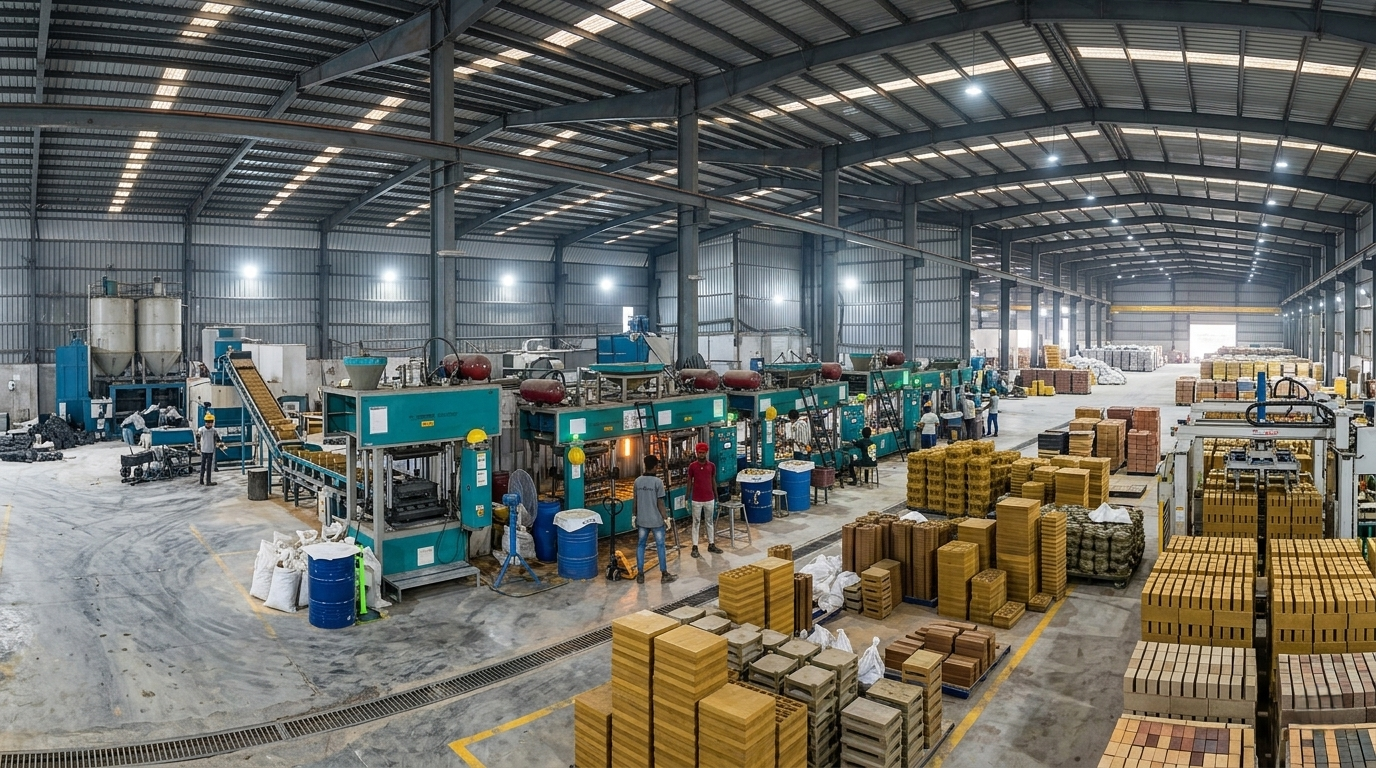
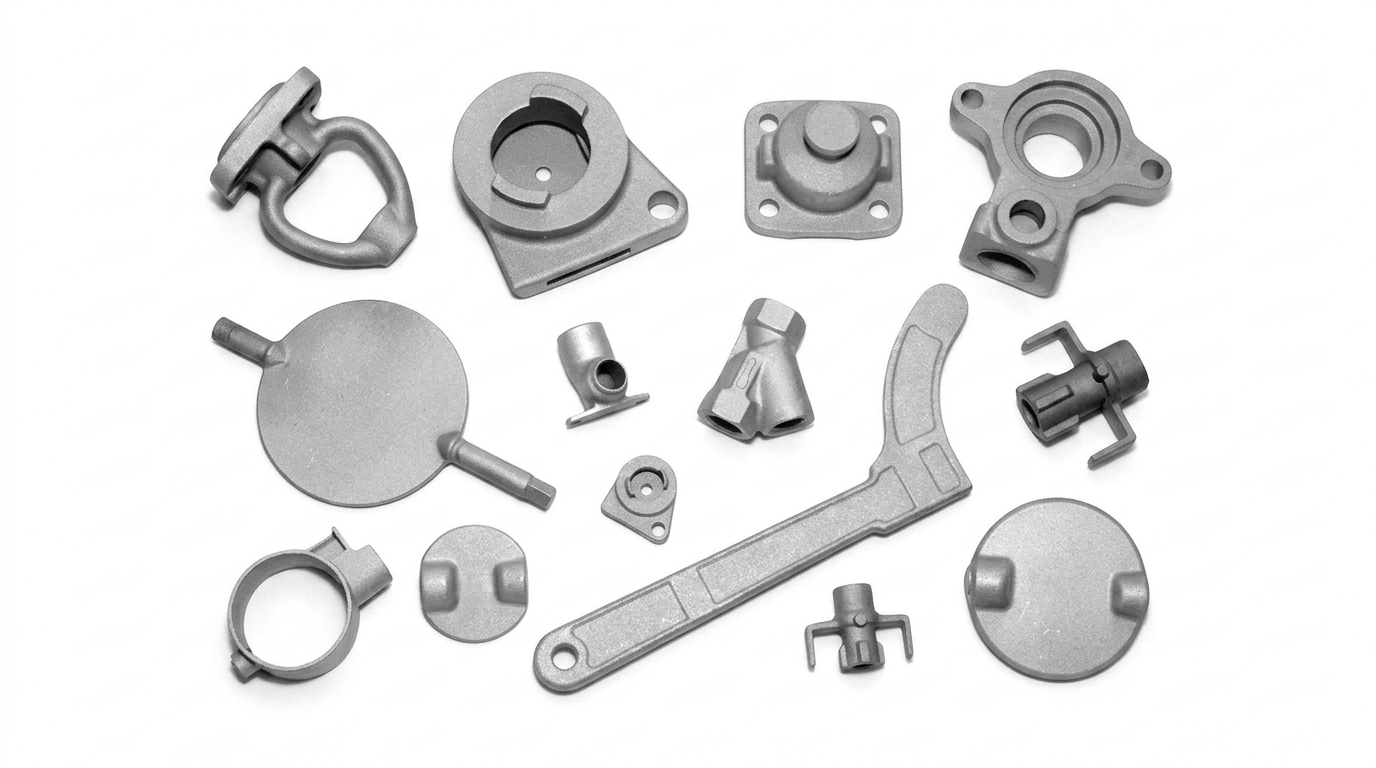
Shell molding is a precision sand casting process in which a thin, rigid shell of molding sand is formed around a heated metal pattern. The process begins with heating a metal pattern (usually cast iron or steel) to a controlled temperature and then coating it with a fine sand mixed with thermosetting resin. When the pattern is inverted, the sand-resin mixture sticks to its surface and forms a thin shell layer due to heat activation.
This shell is then cured in an oven to gain strength and rigidity. After curing, the shell halves are removed from the pattern and assembled together using clamps or adhesives to form a complete mold cavity. In many cases, backup sand or support material is used to strengthen the shell during pouring.
Molten metal is then poured into the assembled shell mold under gravity. After solidification, the shell is broken to retrieve the casting. The cast components are then cleaned by removing gating systems and excess material, followed by finishing operations such as grinding, machining, and heat treatment if required.
Shell molding is widely used for producing high-precision, smooth-surface components with better dimensional accuracy compared to conventional sand casting. It is suitable for medium to high-volume production of small to medium-sized components requiring good repeatability.
| Component Weight | up to 20 kgs. Single pcs |
| Dimensionally | up to 500 x 500 length |
| Surface roughness | as per the requirements |