Precision Machining Components
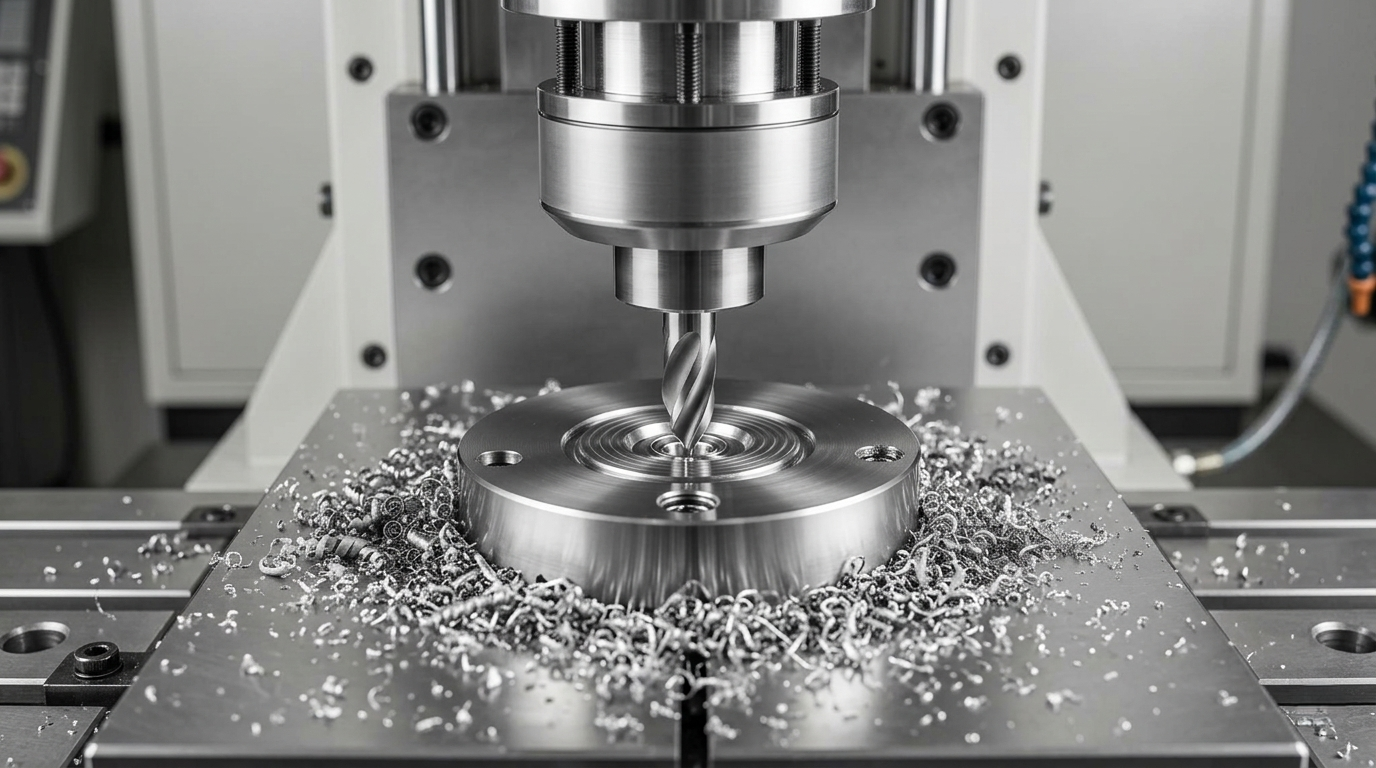
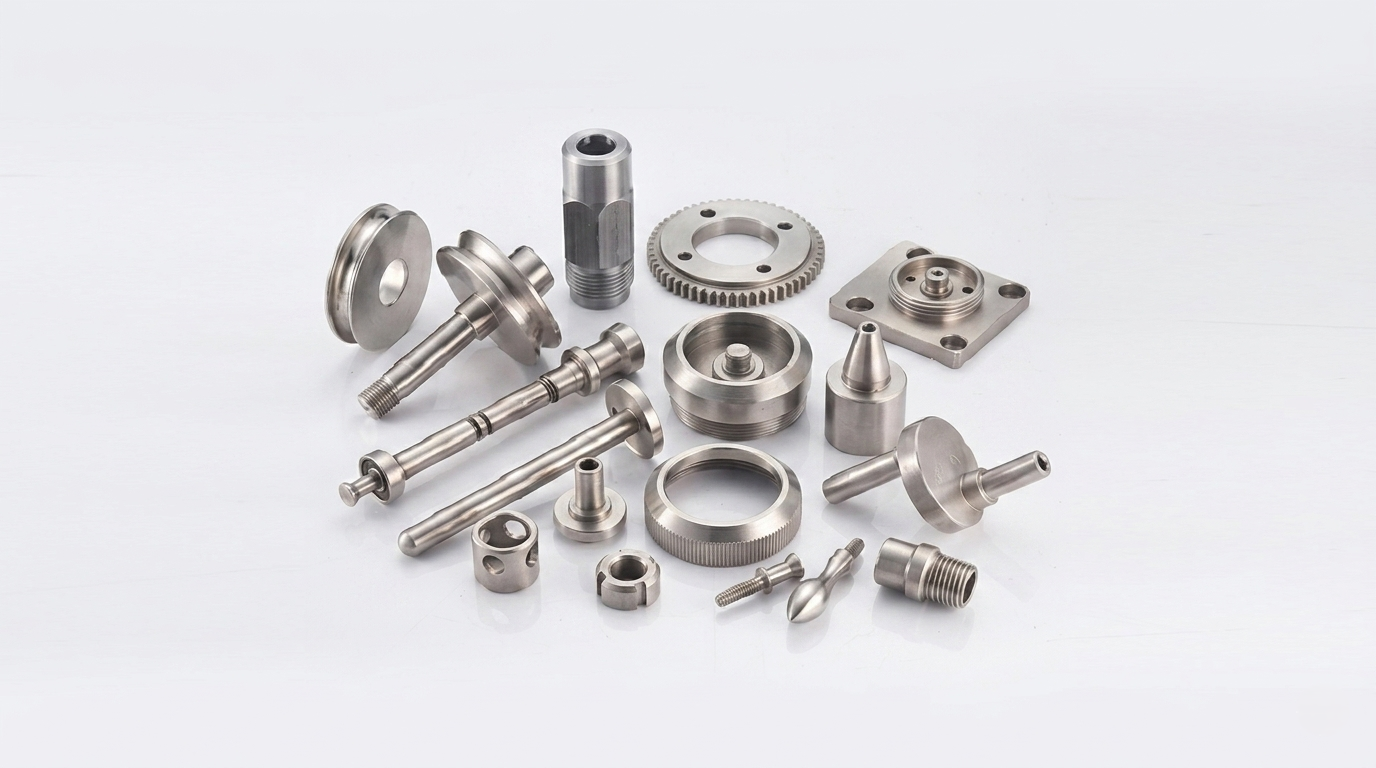
Precision machining is a subtractive manufacturing process in which raw material is precisely removed using CNC, VMC, HMC, VTL, turning, milling, drilling, and grinding operations to achieve tight tolerances and high surface finish. The process begins with selection of raw material such as bar, block, forging, or casting, followed by preparation and cutting to required size based on machining drawings.
Once the material is ready, machining operations are carried out using advanced CNC/VMC machines programmed through CAD/CAM systems. Complex geometries, holes, slots, contours, and profiles are produced with high accuracy. Depending on component requirements, multiple setups may be used to achieve final shape and dimensional accuracy.
After primary machining, secondary operations such as grinding, honing, lapping, and EDM (if required) are performed to achieve ultra-precision surfaces and tight tolerances. In-process inspection is carried out at every stage using precision measuring instruments to ensure quality control and dimensional accuracy.
Precision machining is widely used for producing high-accuracy components where tight tolerances, repeatability, and superior surface finish are critical. It is suitable for both prototype and mass production requirements across engineering industries.
| Component Weight | up to 1200 mm length |
| Excellent | surface finish |
| Production Volume | Prototype to High Volume |
| Machine Capability | CNC, VMC 5 Axis machinery, HMC, VTL, GRINDING |